

How to Fertilize Your Yard if You Use Well Water
Back to Blog
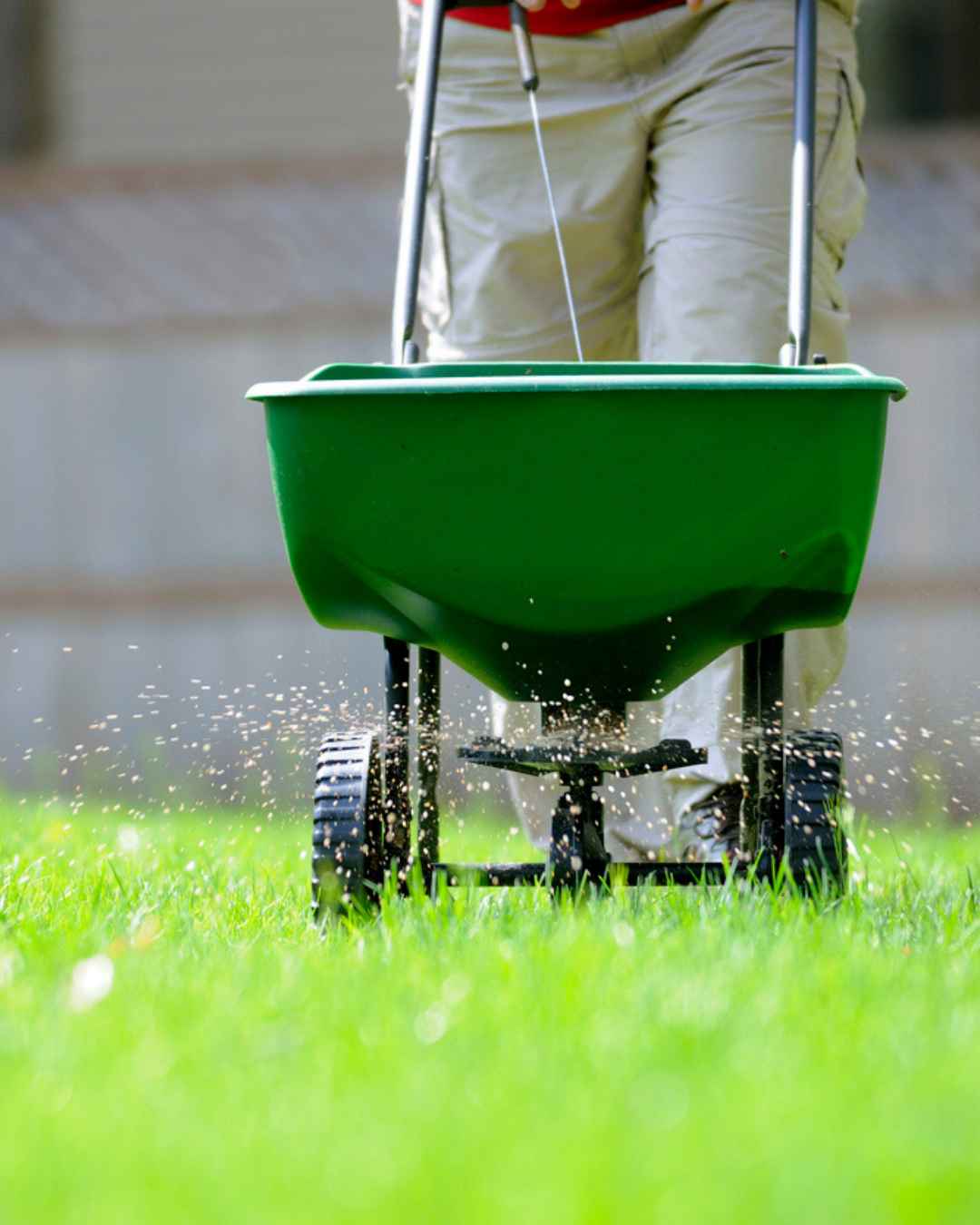
How to Fertilize Your Yard if You Use Well Water
May 15, 2026
Can Fertilizer Affect Your Well Water? What Homeowners Should Know
For homeowners with a private well, maintaining a healthy lawn takes a little more planning than simply spreading fertilizer and turning on the sprinkler. While fertilizers can help your yard thrive, improper use may affect your well water quality if chemicals seep into the groundwater.
At Water Dr. in Ansonia, CT, we help Connecticut homeowners protect both their lawns and their private well systems. Here’s what you should know about fertilizing your yard responsibly when your home relies on well water.
Why Well Water Homeowners Need to Be Careful
Unlike municipal water systems, private wells draw water directly from underground groundwater sources beneath your property. That means anything absorbed into the soil near your well can potentially make its way into your water supply.
Overusing fertilizers or applying them incorrectly may increase the risk of:
- Nitrate contamination
- Bacteria growth
- Chemical runoff into groundwater
- Changes in water taste or odor
Protecting your well starts with smart lawn care practices.
Know What’s in Your Fertilizer
Not all fertilizers are the same. Many contain nitrogen, phosphorus, and potassium, which help grass grow, but too much can harm groundwater.
Before applying fertilizer:
- Read the label carefully
- Avoid products with unnecessary chemicals
- Consider slow-release fertilizers
- Use only the recommended amount
More fertilizer does not always mean a healthier lawn.
Keep Fertilizer Away from Your Well
One of the most important things you can do is maintain a safe distance between your fertilizer application and your wellhead.
Avoid spreading fertilizer:
- Directly around the well cap
- Near drainage areas
- On slopes leading toward the well
- Near standing water
A good rule is to leave a buffer zone around your well to reduce the risk of contamination.
Avoid Fertilizing Before Heavy Rain
Timing matters. Applying fertilizer just before a heavy rainstorm can cause chemicals to wash through the soil too quickly, potentially entering groundwater supplies.
Instead:
- Fertilize during dry weather
- Water lightly afterward if needed
- Avoid overwatering your lawn
Spring in Connecticut often brings unpredictable rain, so keep an eye on the forecast before treatment.
Test Your Well Water Regularly
If your lawn receives regular fertilizer treatments, annual water testing is especially important. Testing can identify issues like elevated nitrates or bacteria before they become serious health concerns.
Signs your well water may need attention include:
- Strange taste or odor
- Cloudy water
- Staining on fixtures
- Sudden water quality changes
Regular testing helps protect your family and your water system.
Consider Professional Water Filtration
If your water test reveals contaminants from groundwater runoff or environmental exposure, a professional filtration system may improve your water quality. Water Dr. provides customized filtration solutions for homeowners across Ansonia, CT, and throughout Connecticut who rely on private wells.
Protect Your Lawn and Your Water with Water Dr.
A beautiful yard and safe water supply can absolutely go hand in hand. By fertilizing carefully and staying proactive with well maintenance, Connecticut homeowners can protect both their property and their family’s water quality.
If you have concerns about your private well water, Water Dr. is here to help with testing, filtration, well inspections, and expert water system solutions. Contact us today to learn more.
Recent News
What Causes Low Water Pressure in a Private Well System?
September 15, 2026

Why Every Private Well Owner Should Test Their Water Annually
August 15, 2026
How Summer Water Usage Impacts Your Private Well System
June 16, 2026

How Spring Thaw Affects Your Private Well System
March 13, 2026
Is My Home on a Private Well or Public Water?
February 13, 2026

Understanding Water pH: Why It Matters for Your Home
December 11, 2025